TikTok’s content-to-commerce model is fundamentally reshaping how consumers discover, evaluate, and purchase products in 2026. In 2026, the platform turns scrolls into consistent sales by blending entertainment with seamless shopping. Short videos and livestreams create immediate buyer intent, allowing best-selling products on TikTok Shop to move significantly faster than on traditional e-commerce channels.
The “shoppertainment” effect drives this: viewers watch authentic creator content, see real results, and purchase without leaving the app. This native integration removes traditional purchase friction (redirects, checkout delays), significantly increasing impulse buying behavior.
The Current Landscape: Why the “Content-to-Commerce” Model Is Replacing Traditional Search
TikTok prioritizes creator-driven content over polished ads. Users scroll primarily for entertainment, but increasingly convert when content seamlessly introduces solutions within that experience. Beauty leads with visual transformations, while home and wellness solve daily frustrations followed by resolution.
TikTok commerce thrives on high conversion rates because content feels educational and storytelling-based rather than salesy. The FYP algorithm rewards engaging videos, pushing high-performing products to millions regardless of shop size.
The 3-Tier Winning Formula: Visual Appeal + Price Sensitivity + Problem Solving
Winning TikTok best selling products combine three elements:
- Visual Appeal: Products that look great on camera and demonstrate results quickly (before-and-after, texture testing, ASMR unboxing).
- Price Sensitivity: Impulse-friendly pricing ($10–$50 range) that matches TikTok users’ quick decision-making.
- Problem Solving: Items addressing real pain points with solution-based content.
This formula consistently drives higher conversion rates by aligning with how users consume and act on TikTok content.
I. The Dominant Categories: Detailed Breakdowns
1. Beauty & “Glass Skin” Tech
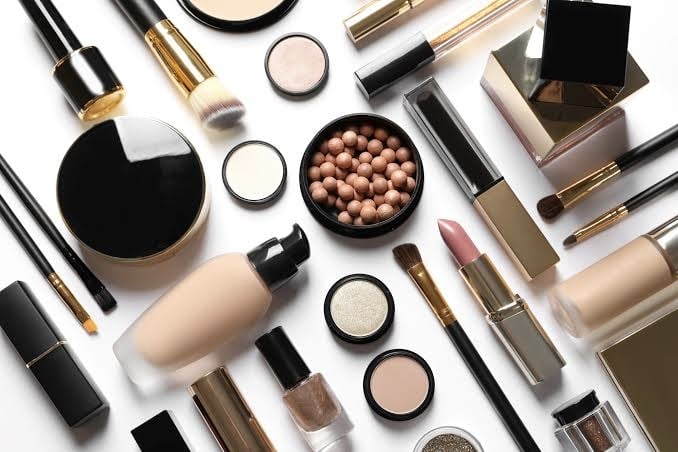
At-a-Glance: Beauty dominates TikTok Shop categories, often accounting for 40%+ of GMV due to its visual, transformative nature.
The Hook: Dramatic before-and-after results in seconds. Creators show texture, application, and instant glow, making viewers imagine the payoff on their own skin.
The Target Audience: Gen Z and Millennials obsessed with skincare routines, “Glass Skin,” and K-beauty trends. Health-conscious users seeking quick, visible improvements.
The Price Sweet Spot: $15–$45. Affordable enough for impulse buys yet premium enough to feel effective (e.g., peptide serums, LED masks, hydrating patches).
Why It Works: Immediate visual payoff builds trust. Educational storytelling around routines or “skin barrier repair” drives engagement. Products like serum-infused patches and portable LED therapy devices excel because they fit short-form demos perfectly. Texture testing videos and GRWM (Get Ready With Me) content perform exceptionally well.
Market Insights:
- Visual payoff drives virality: Before-and-after clips create high watch time and shares.
- Repeat purchasing potential: Skincare builds habits; users repurchase favorites.
- Creator voice amplifies trust: Unscripted recommendations outperform brand ads.
Beauty products succeed because they align with TikTok’s content-first commerce model — native rather than overly produced.
2. Wellness & Bio-Hacking Tools
At-a-Glance: Growing fast with strong repeat rates, especially supplements and daily aids.
The Hook: “Fix my daily struggle” framing. Creators demonstrate how a product reduces fatigue, improves sleep, or corrects posture in real time.
The Target Audience: Busy professionals, fitness enthusiasts, and wellness seekers looking for bio-hacks that integrate into routines.
The Price Sweet Spot: $20–$60. Balances perceived value with accessibility for impulse or considered buys.
Why It Works: Addresses high-friction daily problems like poor sleep, dehydration, or bad posture. Content pillars include routine videos, testimonials, and problem/solution formats. Smart hydration trackers and ergonomic sleep aids shine in talking-head or time-lapse demos.
Market Insights:
- High repeat potential: Supplements and trackers encourage ongoing use.
- Educational storytelling wins: Explaining ingredients or science builds authority.
- Buyer intent rises with relatability: “I was exhausted until this…” narratives convert well.
These emerging TikTok products tap into the broader wellness boom while fitting TikTok’s fast-paced, authentic style.
3. Home Transformation & Organization
At-a-Glance: High impulse volume thanks to satisfying, relatable content.
The Hook: “Messy to organized” transformations. ASMR-style restocking, before-and-after home tours, or quick hacks that deliver instant gratification.
The Target Audience: Homeowners, renters, CleanTok fans, and anyone overwhelmed by clutter or inefficient spaces.
The Price Sweet Spot: $10–$40. Low enough for spontaneous adds to cart during satisfying videos.
Why It Works: Relatability to the “messy home” pain point is universal. Cordless multi-tools and aesthetic kitchen storage solve real frustrations with visual, demo-heavy content. Products look impressive on camera and create shareable “satisfying” moments.
Market Insights:
- Problem-solving drives shares: Videos showing time/space savings spread quickly.
- Inventory flexibility: Easy to stock or dropship with low risk.
- Impulse buying on TikTok: Quick demos remove hesitation — viewers buy to recreate the result.
Home items turn scrolls into consistent sales through relatable, native content.
4. High-Margin Accessories
At-a-Glance: Lower risk with strong giftability and customization appeal.
The Hook: Easy try-on or customization videos. “Statement piece” reveals or “how this upgraded my setup” stories.
The Target Audience: Everyday users, gift shoppers, tech enthusiasts, and fashion-forward creators seeking practical upgrades.
The Price Sweet Spot: $10–$35. High perceived value with minimal commitment.
Why It Works: No sizing issues mean fewer returns. Adaptive tech bags, statement jewelry, and phone accessories offer high “giftability” and customization. Content like unboxing, styling, or lifestyle integration performs strongly.
Comparison Table: High-Risk (Clothing) vs. Low-Risk (Accessories)
| Factor | High-Risk: Clothing/Apparel | Low-Risk: Accessories |
|---|---|---|
| Sizing Issues | Frequent (fit varies by brand/body type) | Rare (one-size or adjustable) |
| Return Rates | Higher (30%+ common) | Lower (under 10-15%) |
| Shipping Costs | Bulkier, higher dimensional weight | Compact, lightweight |
| Impulse Potential | Medium (try-on hesitation) | High (quick visual appeal) |
| Margin Opportunity | Variable but competitive | Often higher due to lower returns |
| Best Content | Hauls & OOTDs | Unboxing, styling, everyday use |
Accessories win for beginners thanks to lower operational headaches and strong visual appeal on TikTok.
II. The “Secret Sauce”: Market Insights & Psychology
Native vs. Produced Content: Lo-fi, unscripted videos often achieve higher conversion rates because they feel authentic. Creators showing real reactions or daily integration build trust faster than polished brand ads.
The Power of the “Creator Voice”: Unscripted recommendations generate 2x more trust. Audiences respond to genuine enthusiasm and personal stories over scripted pitches.
Price Elasticity on the FYP: The impulse buy ceiling hovers around $50 for most categories. Flash sales, scarcity, and limited-time offers amplify urgency, especially in livestreams.
Strategic Bulleted Market Insights:
- Buyer Intent: TikTok blends discovery and purchase — many users buy immediately after seeing a demo.
- Frustration Followed by Resolution: Content that highlights a problem then shows the fix creates emotional payoff.
- Visual Appeal and Repeat Purchasing: Products with strong camera presence and habit-forming use drive long-term value.
- Price Sensitivity: Users favor affordable wins that deliver perceived luxury or efficiency.
TikTok’s content-first commerce model succeeds by making shopping feel like entertainment.
III. Technical Strategy: How to Ride the Wave
TikTok SEO: Place relevant keywords (e.g., “best [product] for [problem]”) in captions, on-screen text, and first lines. Use trending sounds and hashtags to boost search visibility.
Livestreaming vs. Short-Form: Short videos build awareness and hooks. Livestreams drive higher GMV through real-time demos, Q&A, and urgency (flash coupons, stock counts). Use short-form for discovery and live for closing sales.
Sample Strategy: Vet products with small test batches or free samples from brands. Create authentic content before scaling inventory. Track performance with analytics to confirm demand.
IV. Advanced Tools for Product Research
Spot rising trends with TikTok Creative Center for popular hashtags and video insights.
For deeper data, use Kalodata or similar tools like EchoTik. These provide real-time sales volume, revenue tracking, competitor analysis, and trending product rankings. Identify emerging TikTok best selling products before saturation by monitoring velocity and engagement metrics.
Kalodata helps sellers and creators find high-conversion opportunities with precise filters on sales data and creator performance.
V. The 2026 Prediction: The Next Big Hits
- Sustainable “Zero-Waste” Home Goods: Eco-friendly organizers and reusable items with satisfying unboxing content.
- AI-Integrated Lifestyle Tech: Smart gadgets that simplify routines, shown through quick demos and before-and-after efficiency gains.
Watch for continued growth in personalized and solution-oriented products that support educational storytelling.
VI. FAQ: Common Seller Questions
How do I handle shipping for viral products? Choose lightweight, compact items where possible. Partner with reliable fulfillment or use dropshipping for low inventory risk. Monitor return policies closely for categories like beauty.
What is the best margin category for beginners? High-margin accessories often win due to lower return rates and simpler logistics. Beauty offers strong margins but requires careful vetting for quality.
How many times a day should I post product videos? Consistency matters more than volume. Aim for 1–3 high-quality posts daily during growth phases, focusing on hooks and value. Analyze performance and adjust based on engagement.
VII. Conclusion: From Insight to Action
Your 24-Hour Checklist for Selecting a New Product:
- Scan trending data in TikTok Creative Center or Kalodata for rising items.
- Identify products matching the 3-tier formula (visual + price + problem solve).
- Request samples or test with small orders.
- Plan content pillars: hooks, demos, before-and-after.
- Set up Shopify/TikTok Shop integration and test a short video.
The TikTok best selling products landscape rewards creators and sellers who prioritize authentic, solution-based content. By understanding why certain products succeed on TikTok Shop, you position yourself to turn attention into predictable, scalable revenue.